We talk about style and design all the time, but rarely about taste. It's an uncomfortable word, subjective, loaded and often used to separate "good" from "bad." But I've started to think that taste isn't about judgement at all. It's about awareness.

Taste sits behind every good decision, it's in how we dress, design and live.
Learning to see
Developing taste starts long before you can articulate it. It's the muscle you build by looking, by paying attention, by training your eye to notice balance and proportion. Most people assume taste is innate, that some people are just "born with it." But like any discipline, it's cultivated through repetition, observation, and curiosity.
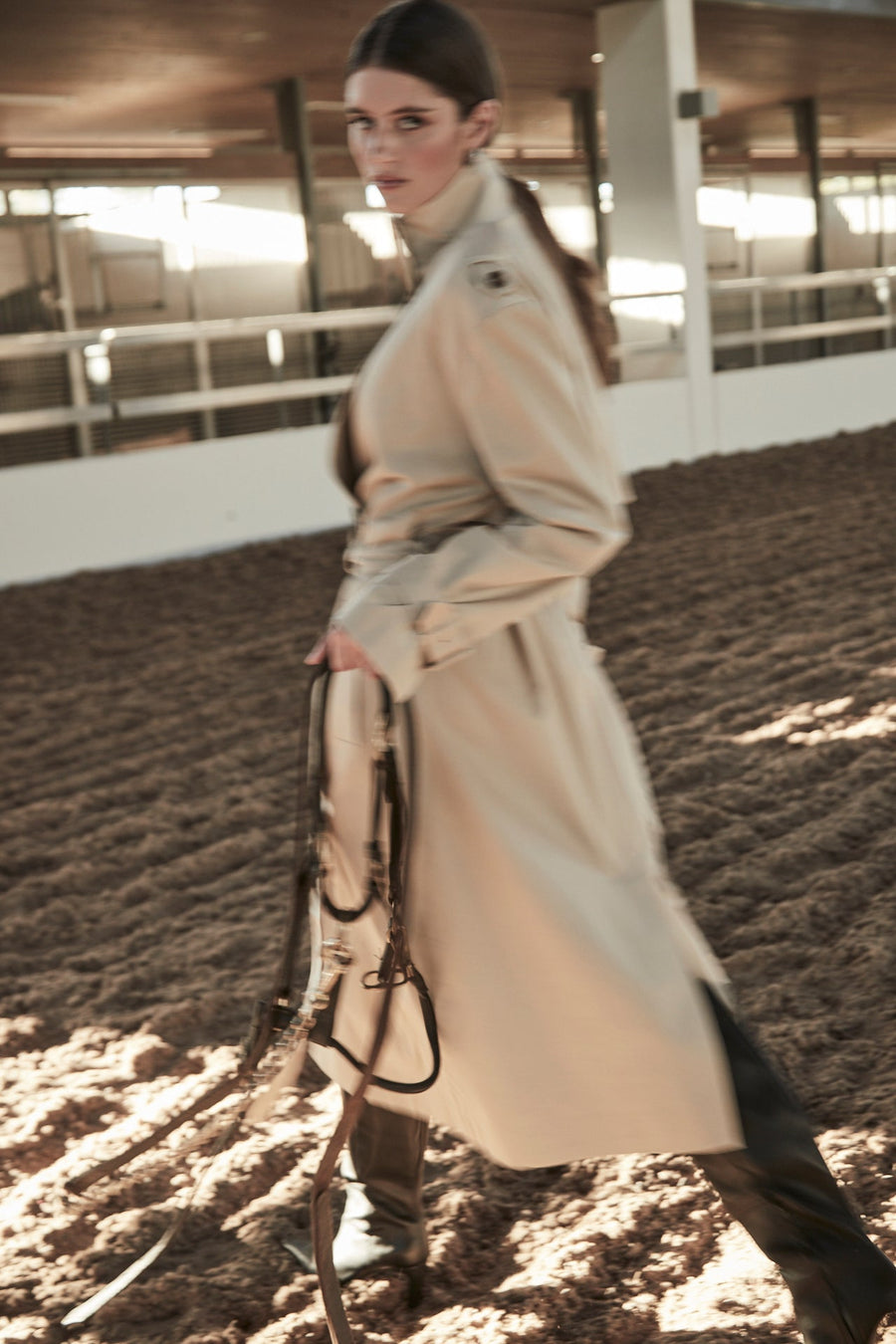
When I think about the designers shaping this shift, two names come to mind: Phoebe Philo and The Row. Philo's work has always captured the power of restraint, even in her old Celine days, creating clothes that speak through proportion and presence, not decoration. The Row takes that same philosophy and pushes it further, with precision tailoring, refined fabrics and a kind of ease that only comes from intention. Their work reminds me that real taste isn't about invention; it's about refinement. When everything looks effortless because so much effort has gone into making it so, that is the highest form of taste.
What discipline looks like in design
While building E.L.S I'm reminded daily that discipline in design lives in the details no one notices, the millimetre adjustments, the balance of weight in a fabric, the curve of a neckline that sits just right. Some might call it perfectionism but I think of it as precision. It's the process of asking, "Does this detail deserve to stay?" and having the discipline to remove what doesn't.
Every designer I respect, in fashion, architecture or interiors works from that same principle. They refine more than they add and they understand that simplicity isn't the lack of detail; it's the result of mastering it.
Taste versus trend

In an era where everything competes for attention, restraint has become radical. Fast design rewards immediacy; true taste rewards patience. When something feels timeless, it's rarely because it's "classic." It's because it's considered.
The older I get, the more I notice that good taste reveals itself over time. It's in the things that continue to feel relevant long after their debut. You can't manufacture that kind of longevity. It comes from intention, from care, from the confidence to do less.
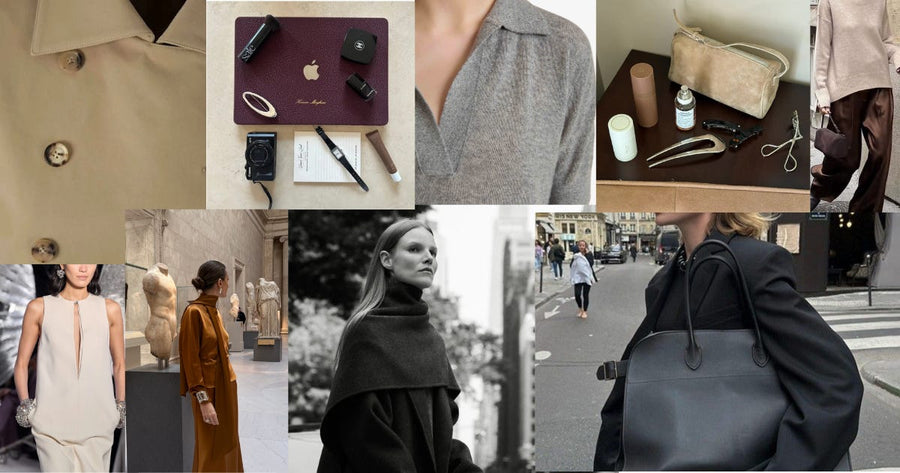
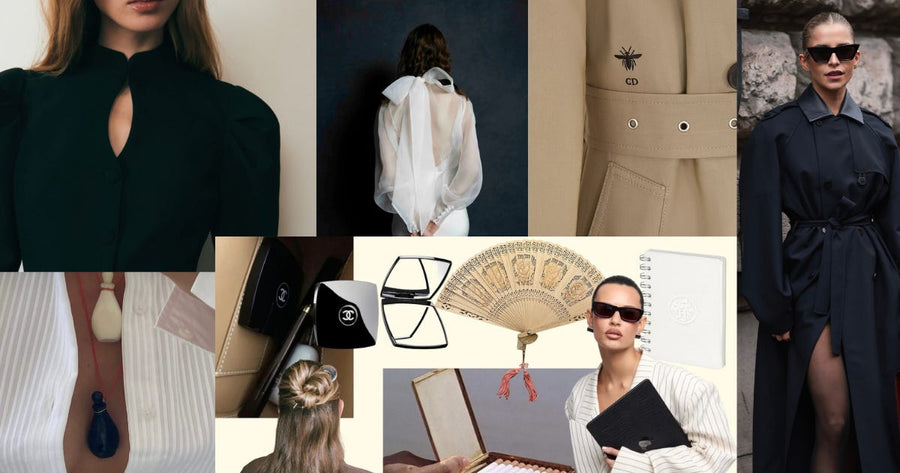
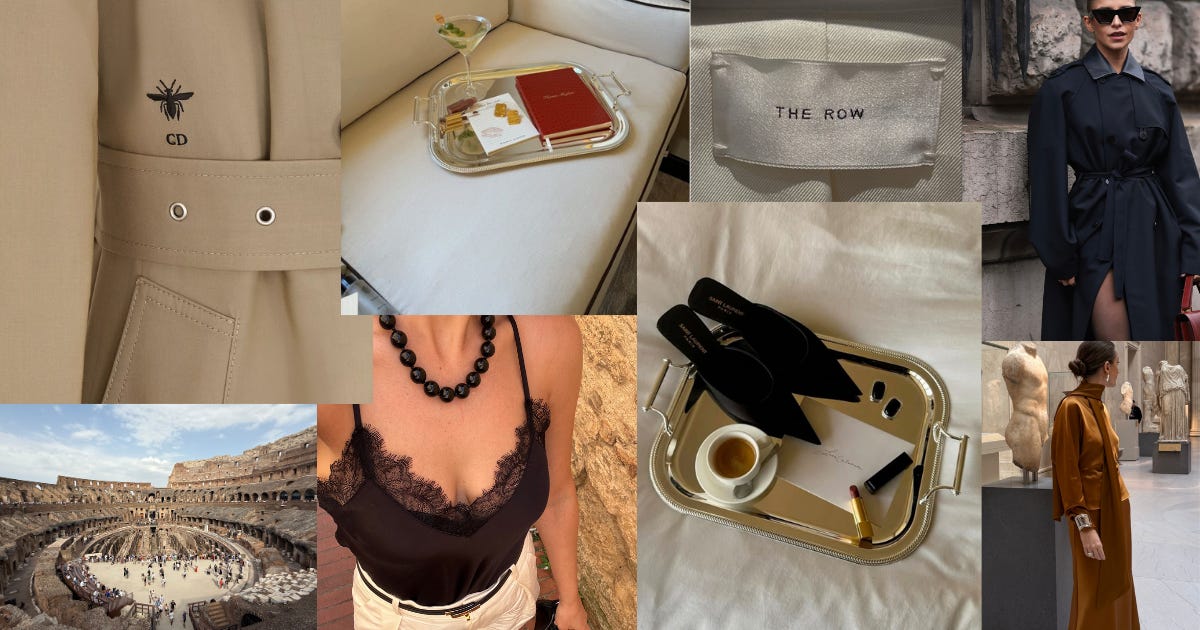
Taste develops through exposure to art, architecture, people and places that challenge how you see things. The willingness to keep looking, questioning and understanding why something works. It's not about following rules; it's about collecting references, noticing patterns and forming your own point of view. The more you observe, the sharper your instincts become.
Why it matters
When you surround yourself with things made with taste, whether it's clothes, spaces or objects, they influence how you show up every day. They remind you that refinement is a mindset, not a price tag. They prove that real quality doesn't need to announce itself; it speaks quietly through how it feels and how it lasts.
That's the philosophy I am building Elevated Luxury Studio around. Luxury should feel effortless, but never careless, because real taste, sits at the intersection of awareness and restraint.


If you've ever found yourself drawn to a design you can't quite explain, it's probably because someone made a hundred small, deliberate decisions that made it feel that way. That's what I'm most interested in exploring, the kind of design details that make something worth keeping.
— Tarryn Candice